The challenge
In this scenario there were 3 problems:
Decrease of sales:Digital campaigns were not as effective in the target audience as expected. It was noticed by user interviews that our custumer was much more susceptible to the face-to-face sales model. This discovery led to the hiring of sellers to our payment solution team, but their performance had some requirements.
Negotiate rates: One of the strengths of Liftpay was the low negotiable rates depending on the type of the custumer business. Manage this personable feesa and deals for all clients was getting manualy was getting out of control for the Sales manager.
Register customers quickly and safely: An efficient registration flow, promotes a good experience when it is fast and clear. However, in the payment solutions scenario, a minimum amount of information is necessary and expected to guarantee the safety of the client and the company.
Research and interviews
To understand the daily life of the sellers hired and customers preferences who would have contact with this product, I conducted a research and interviews with the company’s sales department and some customers already registered
I like to learn from existing products, avoid reinventing the wheel in my processes and always try to improve what is available, and then think of an innovative solution.
Researched the salespeople and their work routine.
Collected data already available on registration and sales.
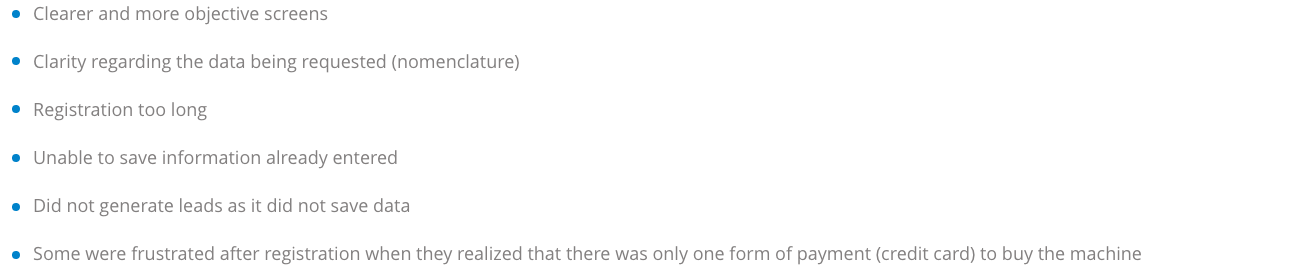
Some relevant points found:
Data analyze:
Feedback from our Capixabas(locals) clients has given me some insights into the flow and improvements of the current register. Some important points were considered, such as:
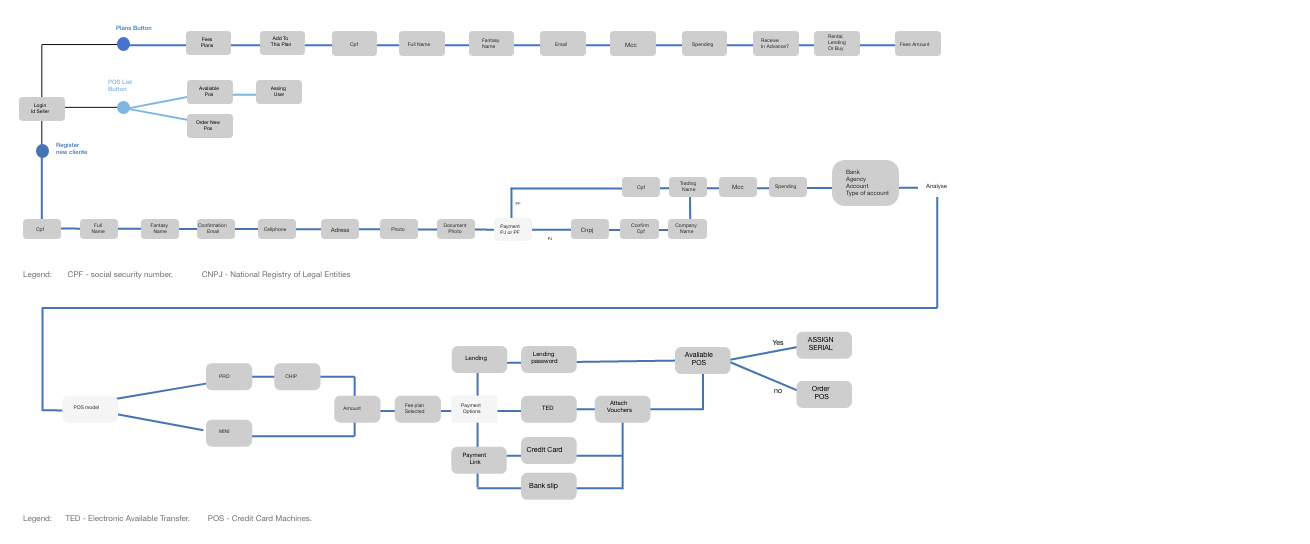
Flowchart:
Below we have the partial flow of the application, showing the user's three main steel flows so that it only asks for the indispensable information.
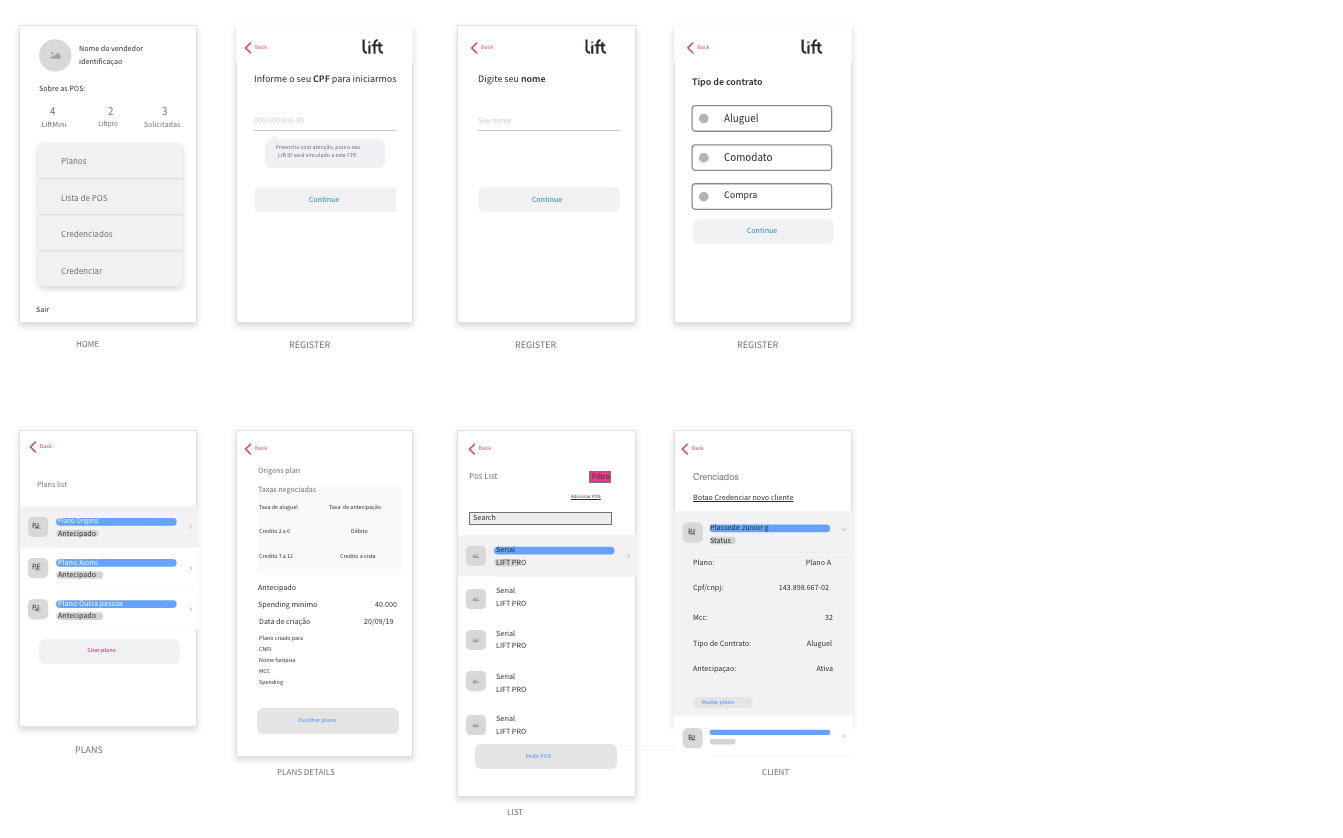
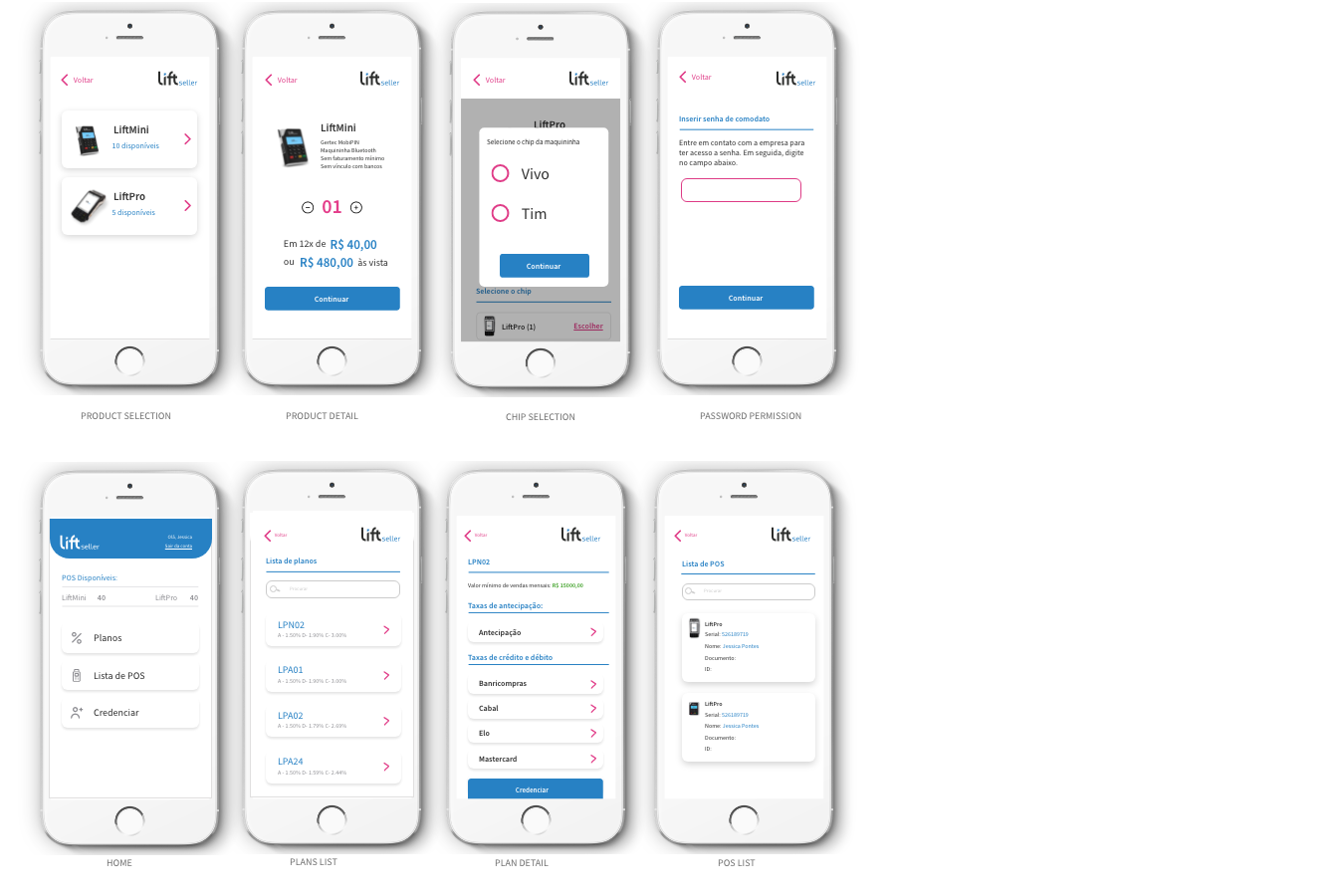
Wireframes & testing
Some important data about the product and the tests:
Impact
Outcomes at a glance
Representative results from this project.
40%
Faster task flow
Key journeys were streamlined to reduce steps and time on task.
2x
Higher engagement
Users interacted more with the redesigned experience.
90%
Positive feedback
Stakeholders and users responded well in validation.
Reflection
What I learned
🧩 Working with constraints
Timelines and technical limits shaped what was feasible.
What I did
Focused on high-impact, low-effort changes to ship value early.
👥 Aligning stakeholders
Different teams had different priorities for the outcome.
What I did
Used shared artefacts and research to build alignment quickly.
💡 Designing for scale
Solutions needed to hold up as the product grew.
What I did
Leaned on reusable patterns aligned with the Design System.